
Episode 2: The Looking Back Experiment
As a continuation of the Looking Back experiment insight, there was some interesting data regarding gender differences as we reflect on life, and on the last year. There were many fascinating insights we made from the Looking Back experiment, including gender differences as we reflect on life, and on the last year.
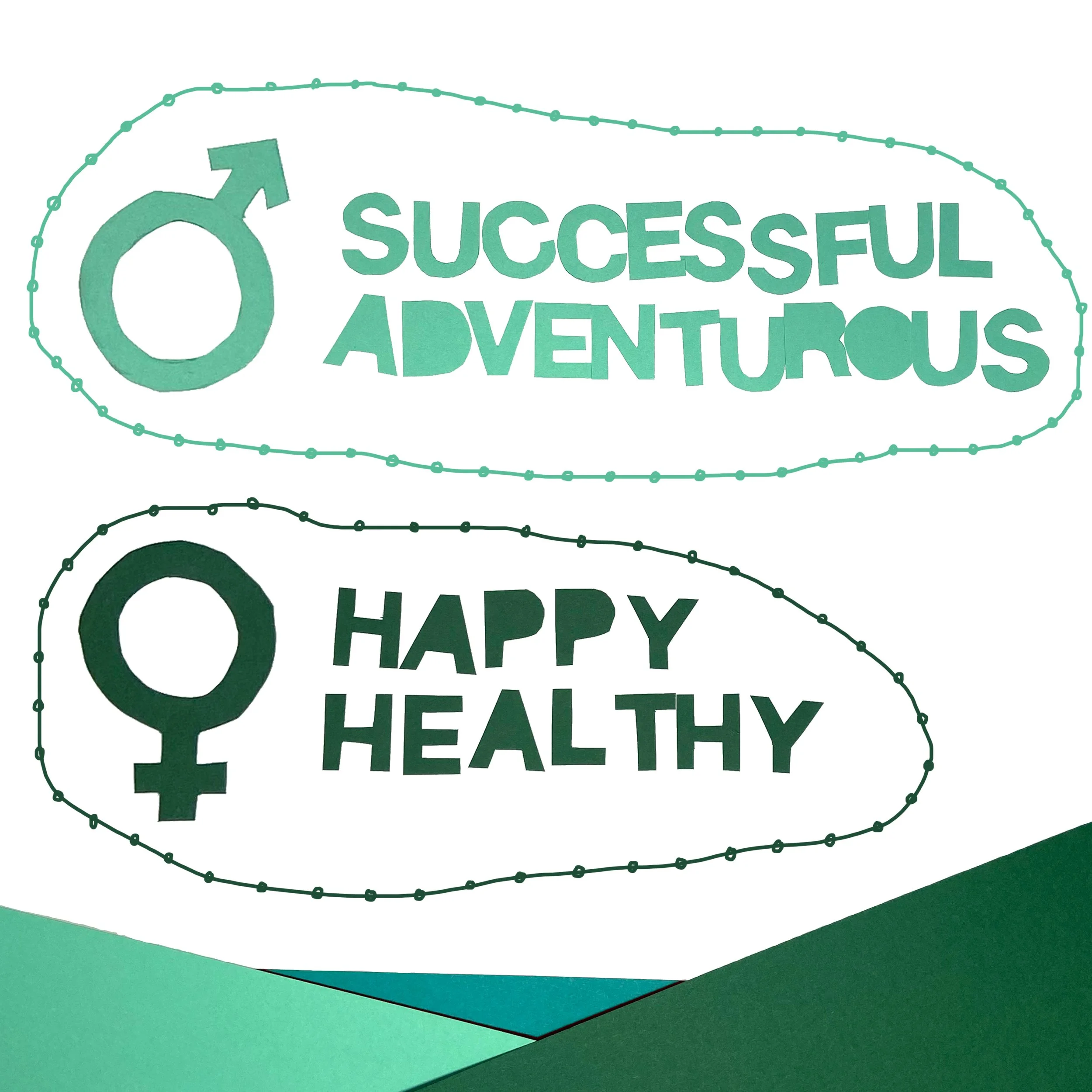
While happiness was the most popular choice for both men and women*, women chose happiness significantly more often than men.
In fact, there was a clear distinction between the purposes preferred by men and women. Men, for instance, were far more inclined toward actions and achievements, such as Adventure, Success, Wealth and Utility. Women, however, were more inclined toward purposes that arguably reflect more emotional states of mind, such as Freedom, Carefree, Fearless, and … well … Happiness. It’s interesting to think how these different biases in purposes might create and/or be creators of culture - and even stereotypical - differences between men and women.
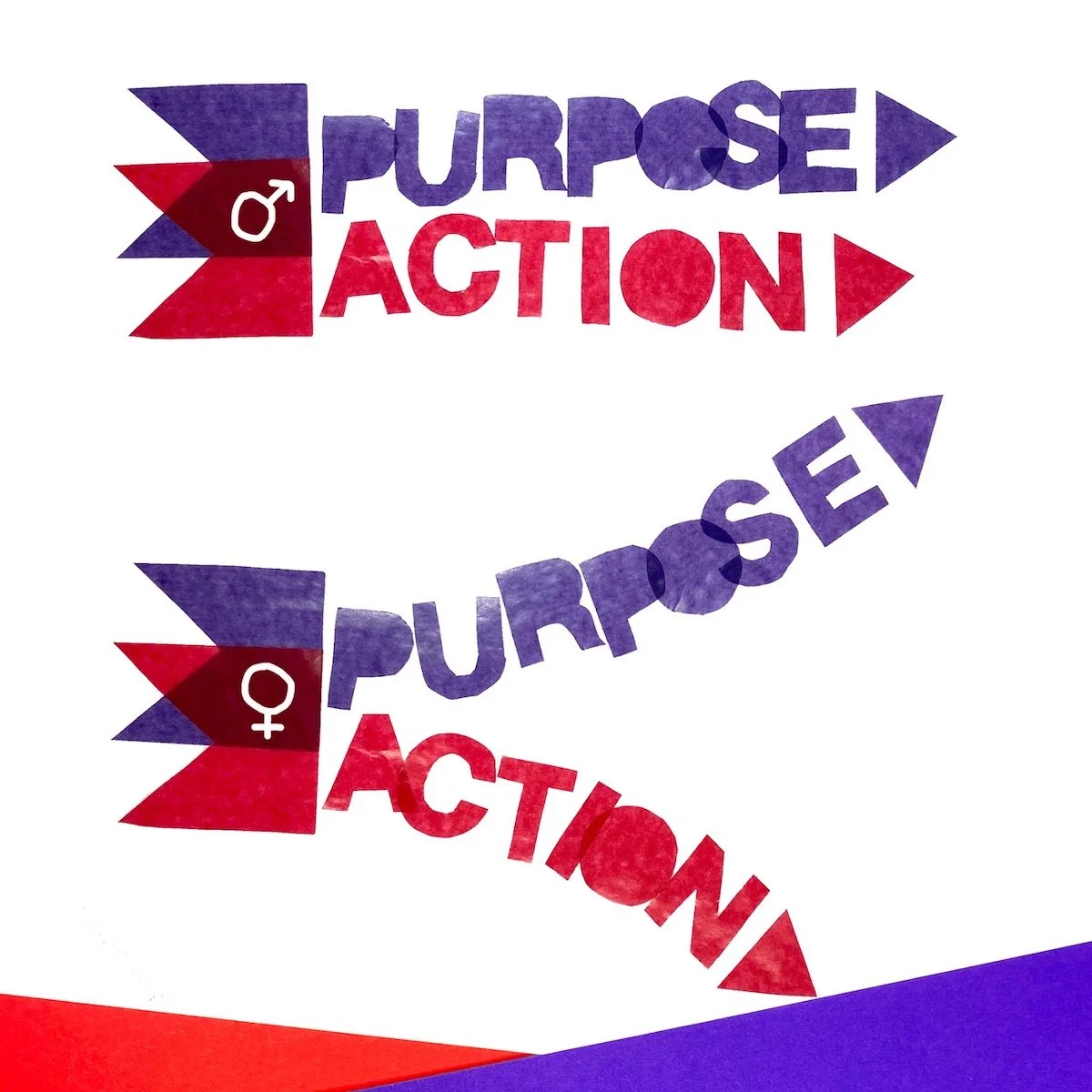
Our experiments also reveal a further, personal challenge women faced in 2020. Namely, that their intentions and actions were less aligned than men.
Why does this matter? As explained in Episode 3 of the Looking Back series, your brain strives align its intentions, words and actions. When your brain perceives itself to be out-of-alignment, your brain will tell you. You’ll feel distressed, often unconsciously. Indeed, that distress can even become ‘somatosized’ as physical pain or reduced physical wellbeing more generally. The reason is that when your actions do not represent our intentions, the power of your intentions, no matter their quality, can actually be inverted. When, however, intentions are realised through action, the value of the intention on your perception of self is confirmed. Your identity is maintained. So the effective of a positive intention on our brains can be either negative or positive depending on the action that follows.
In addition to reporting different life purposes, women also reported feeling far more stressed about the uncertainty of 2020 than men. There could be many reasons for this difference, which our future experiments will be exploring.
Of course, our data does not suggest that “all men” or “all women” are one way. That would be a highly simplistic view of our findings - or indeed of the world. Life is always far more complex - thank goodness, since we all exist on, not just one range, but many ranges.
(*”Men” and “women” are referred to here as male-identifying and female-identifying participants respectively.)