
Episode 1: The Looking Back Experiment
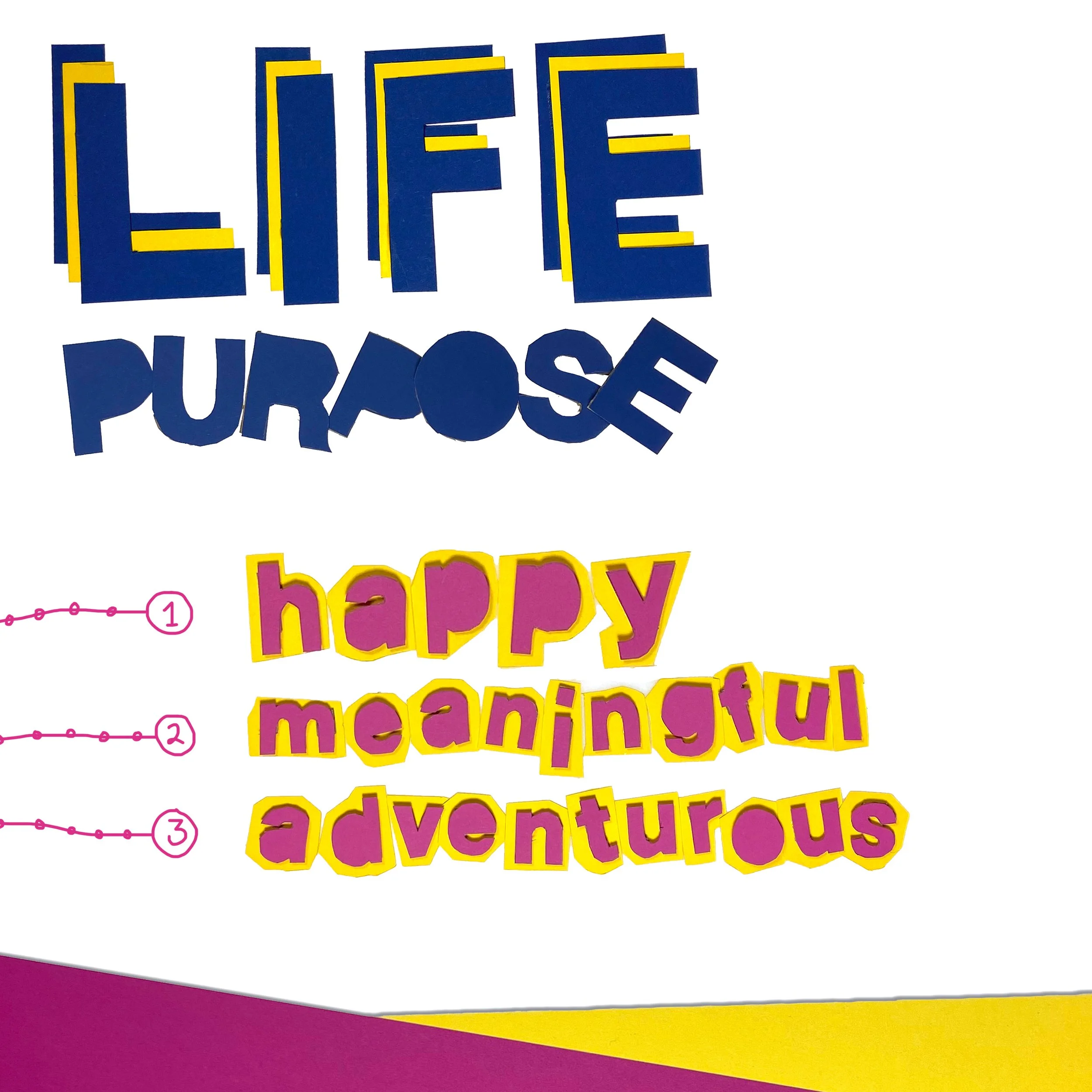
Lab of Misfits recently conducted a “Looking Back” experiment. 400 people were asked to imagine being at the end of their life. Looking back, what do they hope their purpose would have been - what they had wanted from life.
Was it joy? Wealth? Wisdom? Meaning? Success? Then looking back on 2020, they were asked how these life purposes were impacted by the uncertainty in the last year. How were certain goals impacted by the past year compared to other goals? Did the uncertainty of 2020 change what they want out of life? What was discovered says a lot about different mindsets when faced with the fear of not knowing, and could be very useful when thinking about how best to adapt to an increasingly uncertain world.
To the question “what do you hope your life’s purpose would have been?”, happiness was the most popular answer.
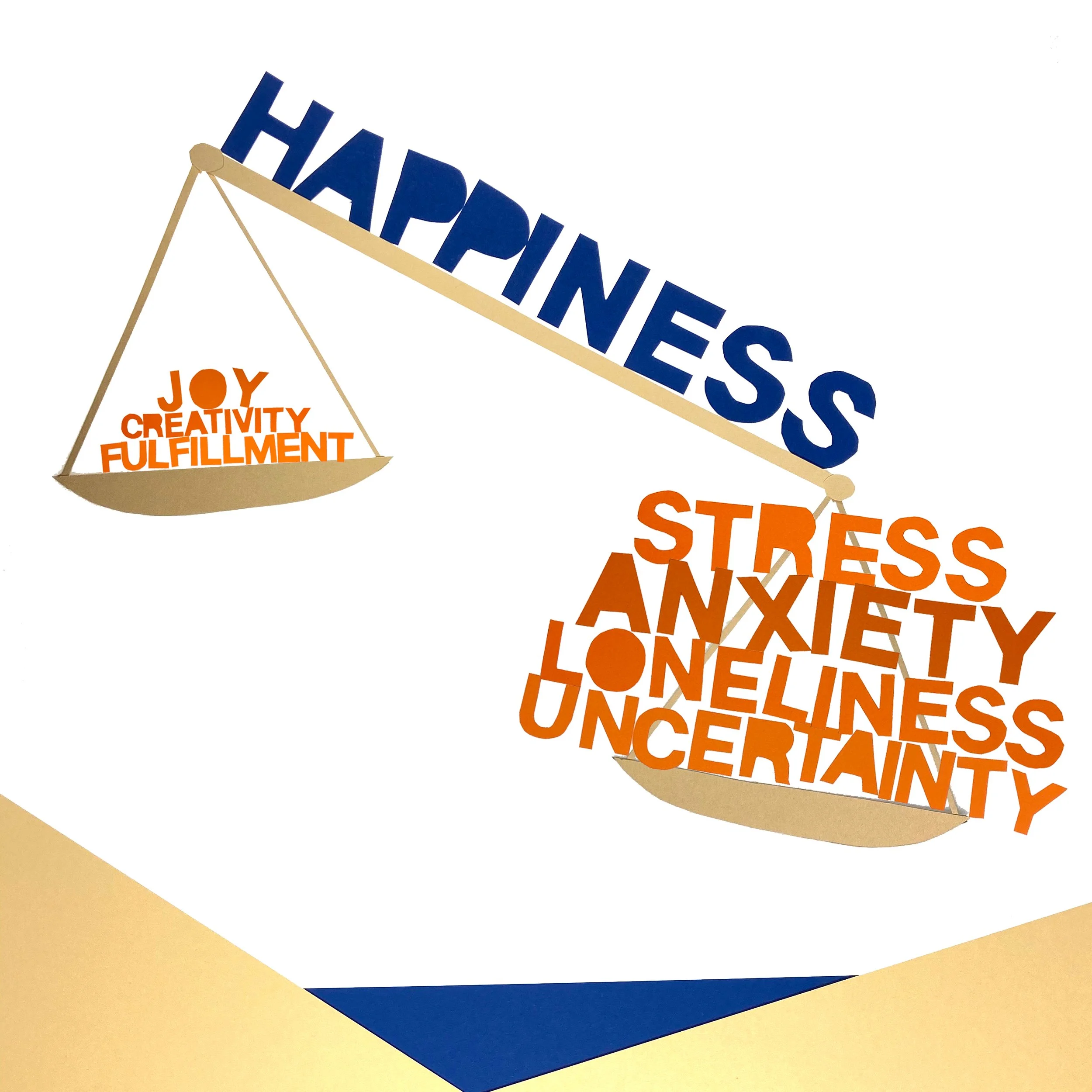
But when asked how they experienced 2020, the same people who had chosen happiness as their life’s purpose responded negatively. When compared to other life purposes, they experienced less fulfilment, less creativity and remarkably even less joy. They also experienced more stress, loneliness, and anxiety.
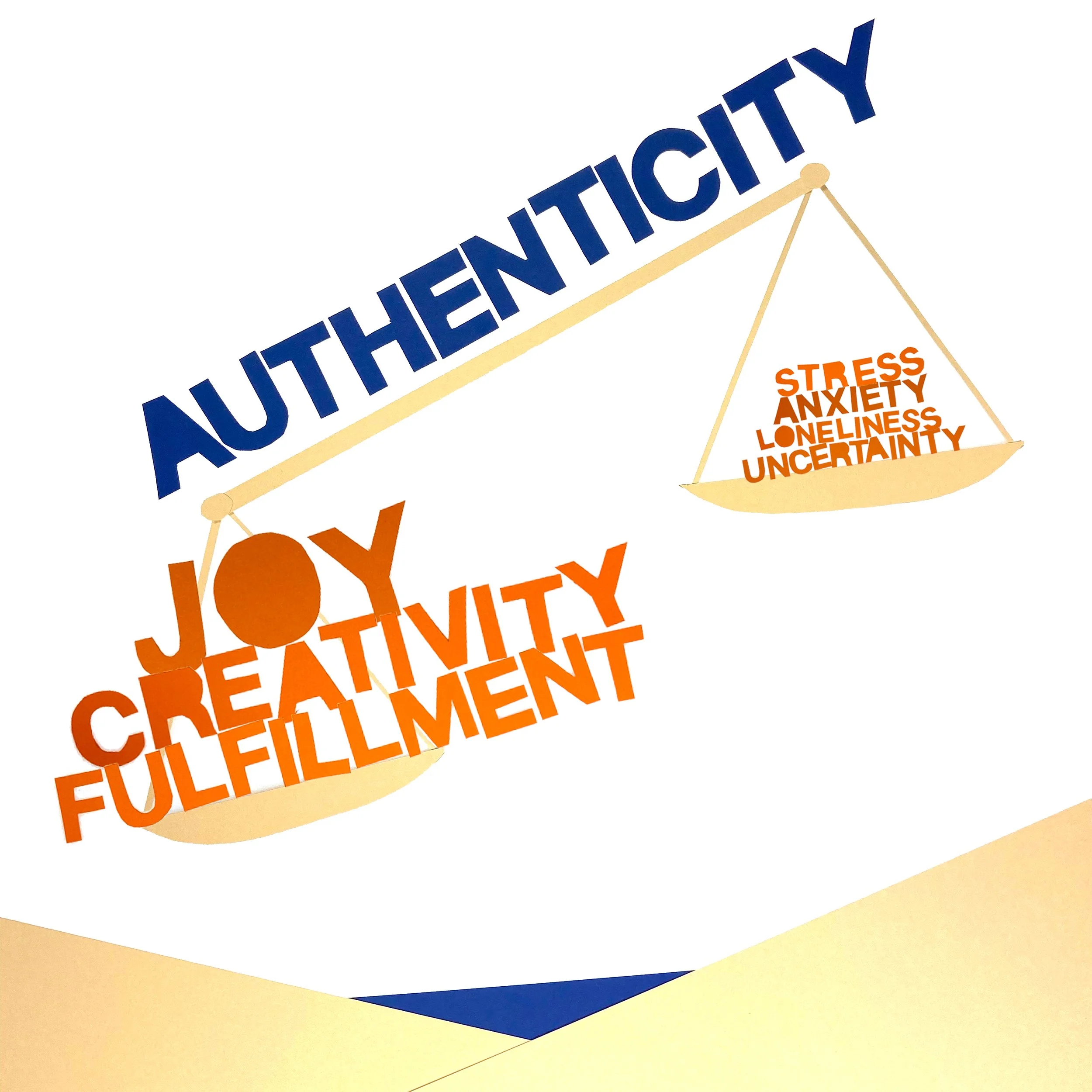
In contrast to pursuing happiness, those who whose life purpose is the pursuit of authenticity faired the best. Those in pursuit of it responded more positively to the challenges and challenges of 2020.
More than half also said they were living in a way that supported their purpose even more, whereas those who chose happiness felt much less aligned with their purpose and goal.
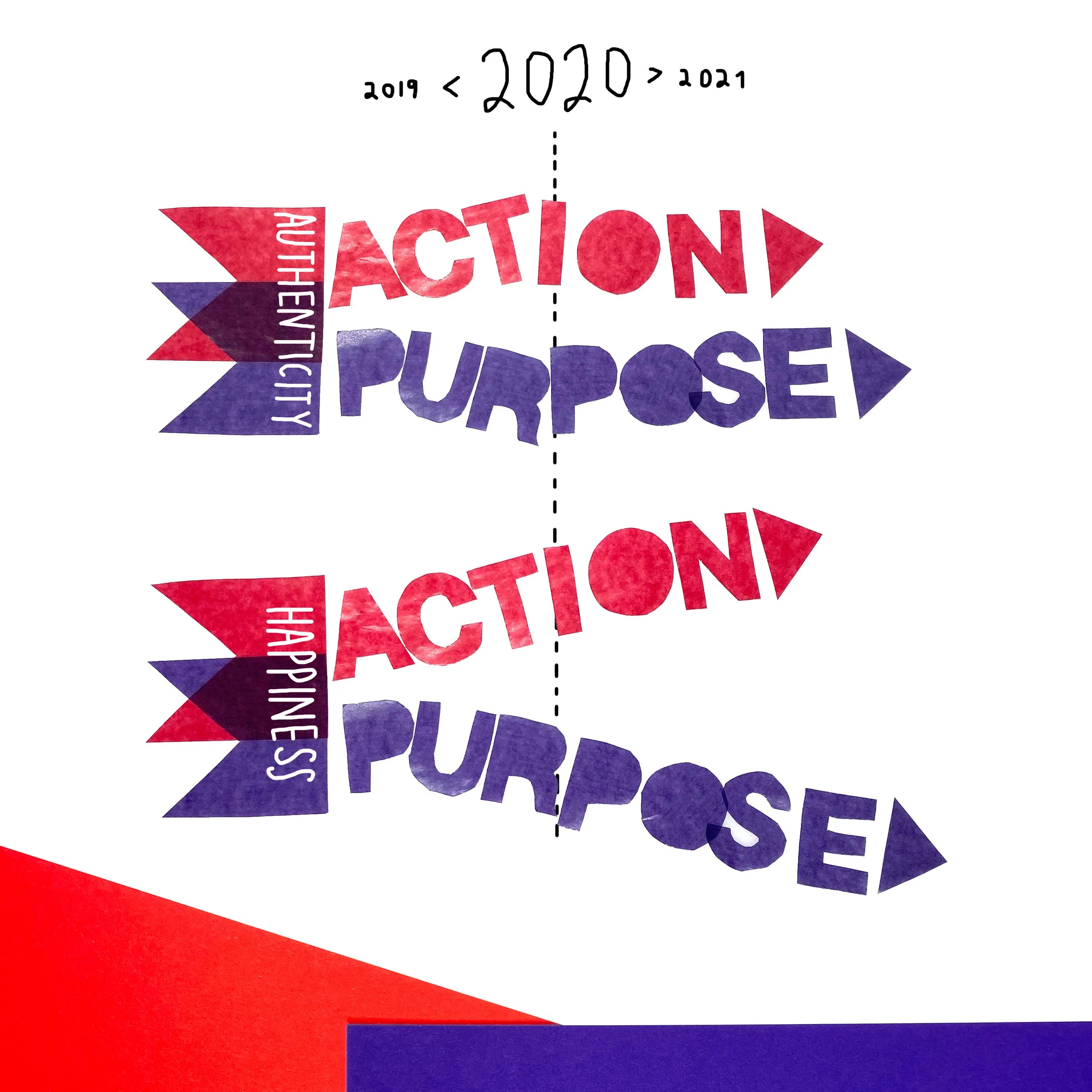
So, why are people whose focus is on happiness more prone to disappointment, stress, and anxiety when faced with unknowns?
There’s a great deal of research showing that one of the best ways to not be happy is to pursue happiness. Why? The brain works on prediction; “I will be happy when XXX happens.”. This creates the possibility for continual disappointment (if we set our expectations for happiness and it doesn’t deliver, we are disappointed). When we are disappointed, our brain registers it as pain, and often the pain of disappointment is more acute than that which is induced physically (this is due to the release of endorphins from physical pain). The weight of disappointment often leads to stress and anxiety.
When looking at authenticity, there are clear mechanisms and strategies to achieve it. The most important is simply self-honesty. Happiness, on the other hand, often relies on outside sources. Whereas authenticity (including self-honesty) can be achieved independently. So the achievement of authenticity is within one’s control and is less directly impacted by uncertainty.
So, what is the biggest take-away from the “Looking Back Experiment?”
These findings are important since they speak directly to the mechanisms and strategies that be used to overcome our evolved fear of the unknown. In times of uncertainty the direct pursuit of happiness can achieve the exact opposite, which of course is ironic. Indeed, pursuing happiness could make one less adaptable in a time when adaptability is essential for thriving. This does not mean that one cannot find happiness in times of uncertainty. On the contrary, happiness, rather than a direct pursuit, can be an essential consequence of having a different focus in your life. In particular, what we found to be the most meaningful pursuit in times of uncertainty (and possibly beyond) is the importance of authenticity; self-honesty.
Lab of Misfits’ director, Beau Lotto recounts; “I once asked my 87 year old uncle the day before he went into a life-threatening surgery about what it means to be a ‘good person.’ His answer was ‘self honesty.’” What we know is that authenticity is a pursuit. It’s a practice, unlike happiness. It requires not-knowing, and it results in understanding. When we have understanding (as opposed to intelligence), we have the ability to adapt since understanding is to know the underlying principles of something.
When we seek authenticity, rather than happiness, we learn to adapt (we’re not searching for or relying on something that comes from outside of us). When we know we can adapt, we feel more optimistic and are better equipped when facing uncertainty.